Sleep Is Not a Light Switch
Most people treat sleep like an appliance: they stare at a backlit laptop working until 11:29 PM, shut the lid, crawl into bed, turn off the bedside lamp, and expect their neurochemistry to instantly plunge into restorative delta-wave unconsciousness.
When that fails and their mind races for 45 minutes, they reach for sleeping pills or scroll their phones in frustration. Sleep is not a switch; it is a gradual descent that requires somatic and environmental deceleration.

Deconstructing the 10-3-2-1-0 Architecture
- 10 Hours Before (Caffeine Cutoff): Caffeine has a quarter-life of up to 10-12 hours. A double espresso at 2:00 PM still leaves active caffeine molecules blocking adenosine receptors in your brain at midnight.
- 3 Hours Before (Digestive Rest): Digesting a heavy meal diverts blood flow to the GI tract, elevates resting heart rate, and sabotages REM sleep cycles.
- 2 Hours Before (Brain Dump): Close your work laptop. Take five minutes to write tomorrow’s three critical priorities on a physical index card. Externalizing tasks halts the midnight cognitive loop of open loops.
- 1 Hour Before (Warm Light & Analog Leisure): Switch from harsh overhead LEDs to low-angle floor lamps with warm amber bulbs. Pick up a physical book, listen to an audio drama, or take a hot shower (the rapid evaporation cools core temperature).
The Bedroom as a Sleep Temple
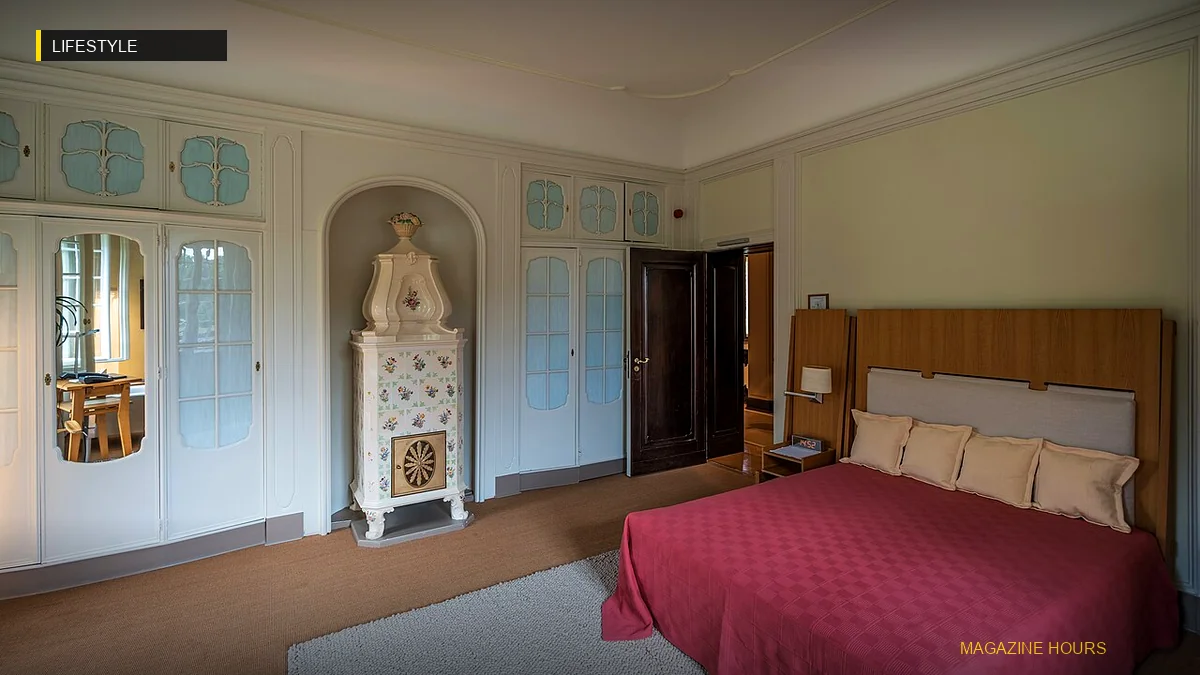
Treat your bedroom with religious sensory austerity: pitch black (invest in 100% blackout curtains or a contoured eye mask), whisper quiet, and cool (18°C / 65°F). Never work, argue, or eat in bed. Your brain should forge a single, unbreakable cognitive association: mattress equals deep rest.

Key Takeaways and Summary
To put these insights into immediate, practical action:
- Prioritize intentionality: High-value results come from focused execution rather than frantic overexertion.
- Audit your environment: The tools, systems, and routines you tolerate determine your daily cognitive quality.
- Iterate continuously: Treat your habits as ongoing experiments that compound over months and years.