The Paralysis of an Overflowing Closet
Open the average closet, and you will see dozens of hangers packed so tightly you can barely slide a shirt across the rail. Yet most people stand in front of this textile mountain every morning and think: I have nothing to wear. Clothes with tags still attached, ill-fitting impulse buys, and synthetic trend pieces create immense cognitive decision fatigue.
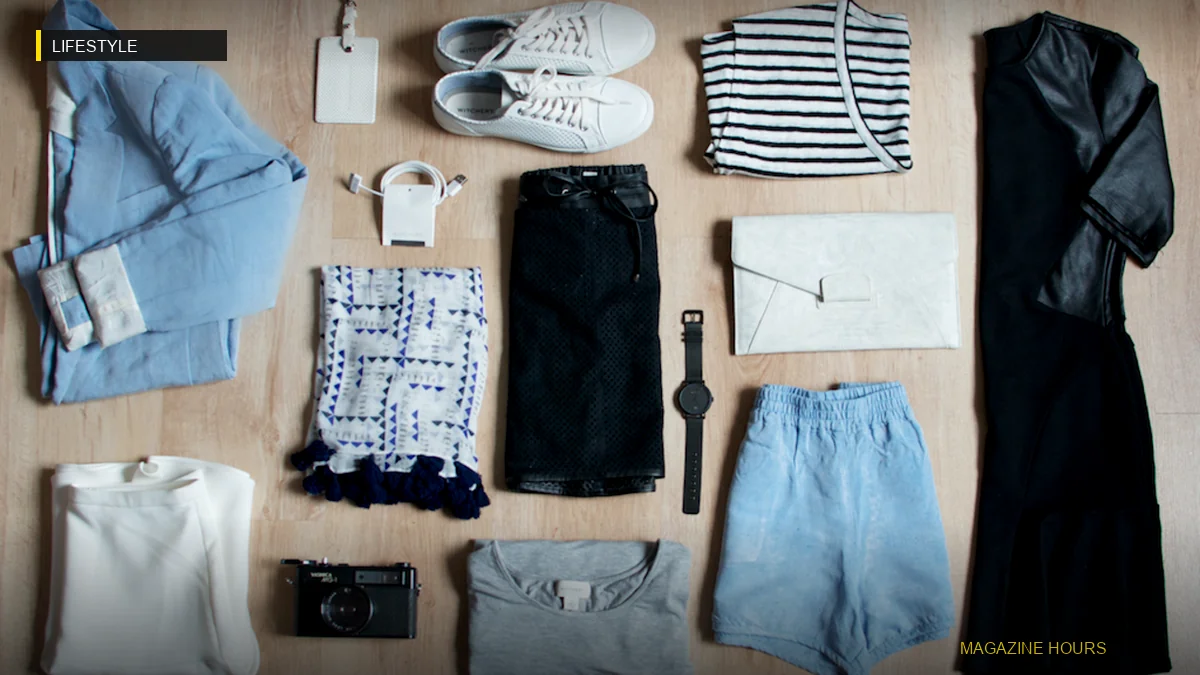
A capsule wardrobe liberates your mornings. By reducing your wardrobe to a curated foundation of high-quality, interchangeable pieces, getting dressed becomes an effortless five-second gesture.
The 30-Piece Core Architecture
- Tops (10): 3 heavyweight cotton t-shirts (white, black, gray), 2 merino knit sweaters, 2 crisp button-down shirts, 1 relaxed linen shirt, 2 versatile overshirts/cardigans.
- Bottoms (6): 1 pair dark raw denim jeans, 1 pair relaxed washed denim, 2 pairs tailored chinos/wool trousers (navy, charcoal), 2 pairs seasonal shorts/skirts.
- Outerwear (4): 1 classic trench/mac coat, 1 wool overcoat, 1 casual utility/field jacket, 1 lightweight windbreaker.
- Shoes (5): 1 pair clean leather minimalist sneakers, 1 pair classic leather boots, 1 pair loafers/flats, 1 pair comfortable walking sandals, 1 pair athletic runners.
- Accessories (5): 1 leather belt, 1 versatile tote bag, 1 wool scarf, 1 pair UV-protective sunglasses, 1 watch.
The One-In, One-Out Discipline
A capsule wardrobe is maintained through strict structural discipline. When you identify a genuine gap in your wardrobe, invest in the highest quality natural fiber garment your budget allows. And whenever a new item enters your closet, an existing item must be donated, sold, or recycled. Your closet remains an uncluttered breathing space.
Key Takeaways and Summary
To put these insights into immediate, practical action:
- Prioritize intentionality: High-value results come from focused execution rather than frantic overexertion.
- Audit your environment: The tools, systems, and routines you tolerate determine your daily cognitive quality.
- Iterate continuously: Treat your habits as ongoing experiments that compound over months and years.