The Predictive Mirror of Speculative Literature
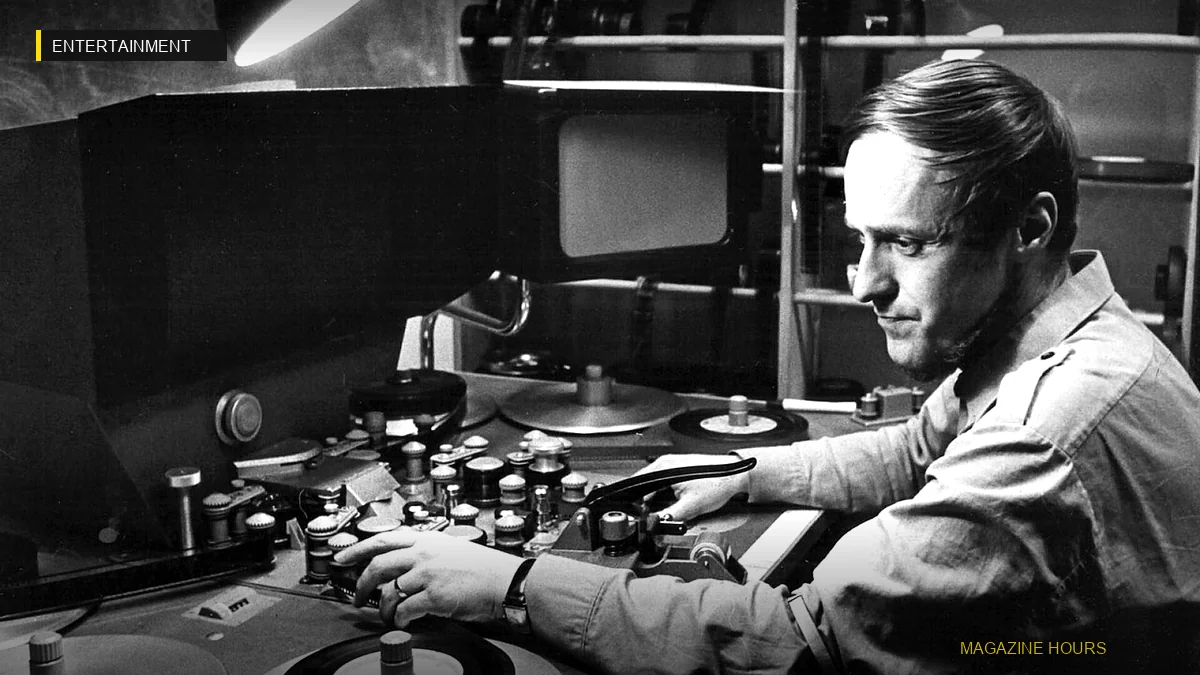
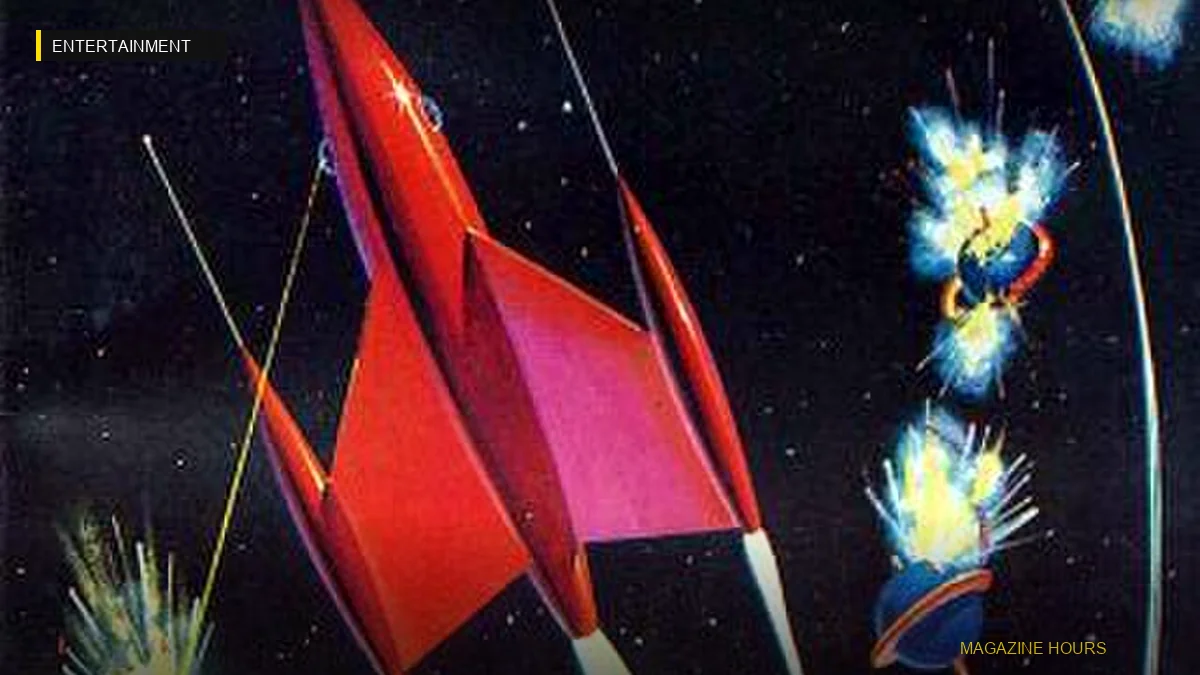
Science fiction has never really been about the future; it is a mirror reflecting the anxieties, fractures, and secret hopes of the present. When Arthur C. Clarke and Isaac Asimov wrote in the mid-20th century, their stories radiated atomic-age rationalism and cosmic conquest.
The early 2020s—shaped by global pandemics, the rapid advent of generative artificial intelligence, and accelerating climate destabilization—have produced some of the most daring, psychologically rich speculative literature in generations.

Seven Modern Masterpieces That Redefine the Genre
- The Ministry for the Future by Kim Stanley Robinson: A harrowing, fiercely realistic economic blueprint for how human civilization might claw its way back from catastrophic global warming over the next three decades.
- A Desolation Called Peace by Arkady Martine: A magnificent space opera exploring linguistics, imperial assimilation, and communicating with an alien collective consciousness that defies human cognitive models.
- Sea of Tranquility by Emily St. John Mandel: A luminous, puzzle-box time travel narrative that weaves a Canadian wilderness in 1912 with an art colony on the moon in 2401.
- Klara and the Sun by Kazuo Ishiguro: A heartbreaking, gentle exploration of what it means to possess a soul, narrated through the observational perspective of an Artificial Friend powered by solar energy.
- Project Hail Mary by Andy Weir: The ultimate triumph of applied science and interspecies camaraderie in the face of an extinction-level stellar parasite.
Why We Need Speculative Fiction Now More Than Ever
Cynicism is lazy. Pure dystopias validate our worst impulses of despair, while pure utopias feel unearned and naive. The best modern speculative fiction offers something far more vital: critical optimism—the reminder that the future is not pre-determined, but actively negotiated by human choice.

Key Takeaways and Summary
To put these insights into immediate, practical action:
- Prioritize intentionality: High-value results come from focused execution rather than frantic overexertion.
- Audit your environment: The tools, systems, and routines you tolerate determine your daily cognitive quality.
- Iterate continuously: Treat your habits as ongoing experiments that compound over months and years.