Beyond the Bitter Dark-Roast Myth
Most of the world grew up drinking dark, oily, over-roasted coffee that tasted like charcoal and burnt tires, requiring heavy doses of milk and sugar to be palatable. That bitter profile was engineered by industrial roasters to mask cheap, defective Robusta beans.
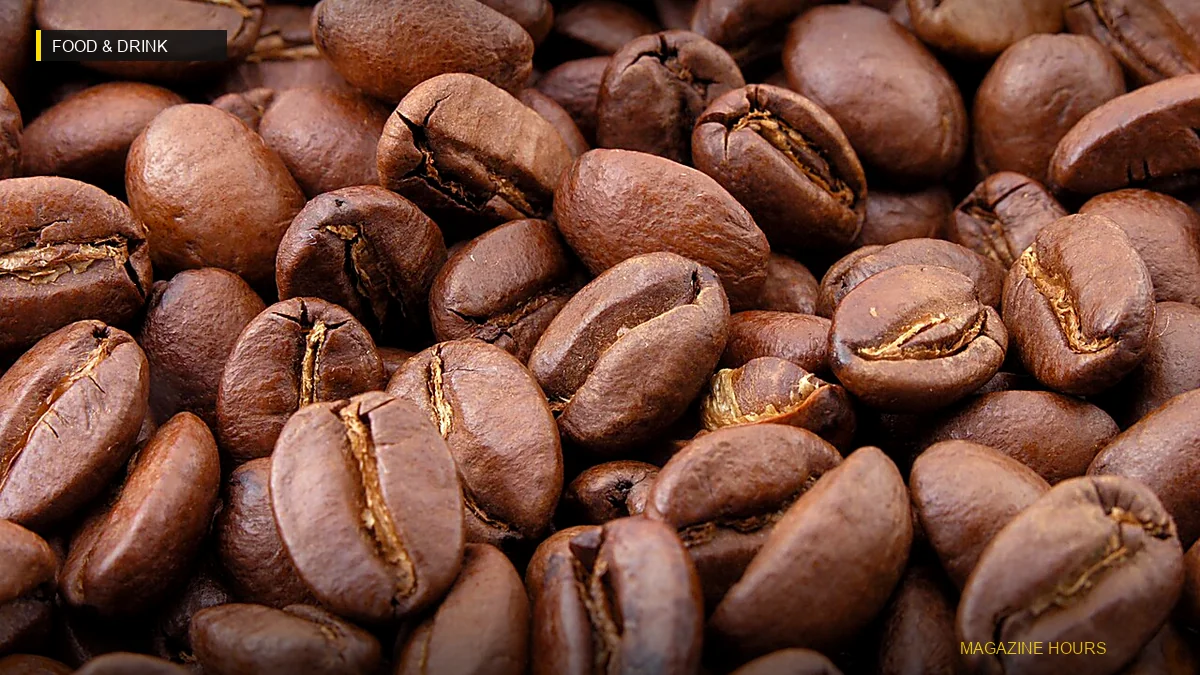
Specialty Coffee treats the coffee bean as what it truly is: the roasted seed of a tropical fruit. When grown at high altitudes in volcanic soil in Ethiopia or Colombia and roasted lightly, coffee reveals astonishing natural flavor notes of jasmine, bergamot, stone fruit, and brown sugar.
The Brewing Variables You Control
- The Burr Grinder: The single most important piece of coffee gear you will ever own. A quality hand grinder with steel burrs (like a Timemore C3 or 1Zpresso) or electric burr grinder (Baratza Encore) ensures uniform extraction.
- Water Temperature: Light roasts require hot water (93°C to 96°C / 200°F to 205°F) to extract dense cellular sugars. Dark roasts benefit from cooler water (88°C / 190°F) to avoid scorching.
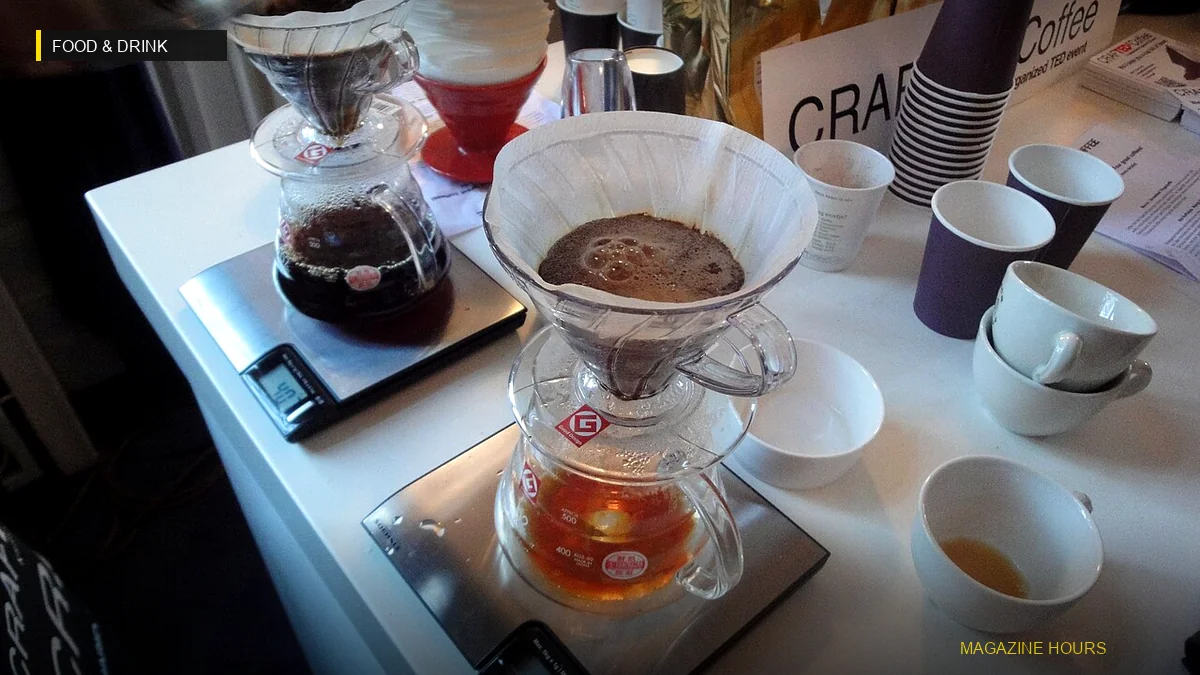
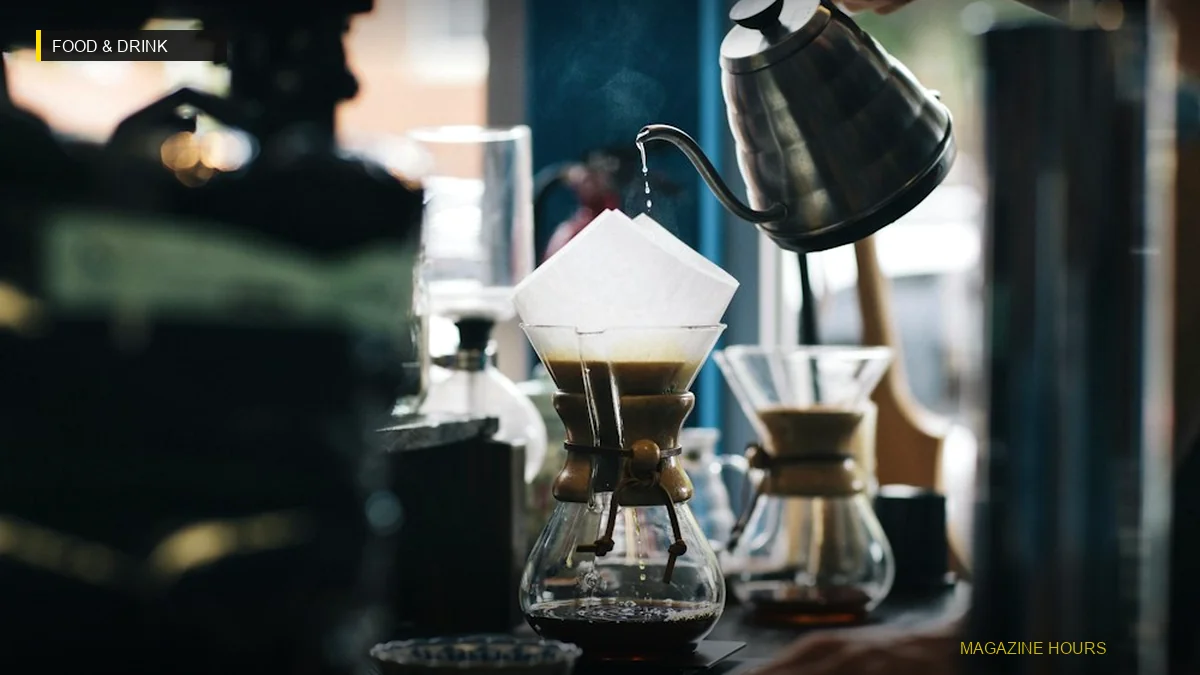
- The Gooseneck Kettle: Essential for controlling flow rate. Pouring gently in concentric circles prevents channeling—where water carves channels through the coffee bed, leaving surrounding grounds dry.
The 4:6 Method: A Repeatable Masterclass
Developed by World Brewers Cup Champion Tetsu Kasuya, the 4:6 method divides your total water into discrete 45-second pours:
- First 40% (Taste Balance): Poured in two stages. Adjusting the ratio between the first and second pour tunes the balance between bright acidity and sweet roundness.
- Last 60% (Strength): Poured in three equal stages to extract clean TDS strength without channeling.
In under 3 minutes and 30 seconds, you produce a sparkling, vibrant cup of coffee that drinks with the complexity of fine wine.
Key Takeaways and Summary
To put these insights into immediate, practical action:
- Prioritize intentionality: High-value results come from focused execution rather than frantic overexertion.
- Audit your environment: The tools, systems, and routines you tolerate determine your daily cognitive quality.
- Iterate continuously: Treat your habits as ongoing experiments that compound over months and years.