The Tectonic Shift in Digital Photography
Smartphone cameras have conquered the casual photography market, and deservedly so. With multi-frame HDR synthesis, semantic neural network segmentation, and 48-megapixel quad-bayer sensors, modern iPhones, Pixels, and Galaxys capture astonishing family snapshots and holiday memories with zero technical effort.
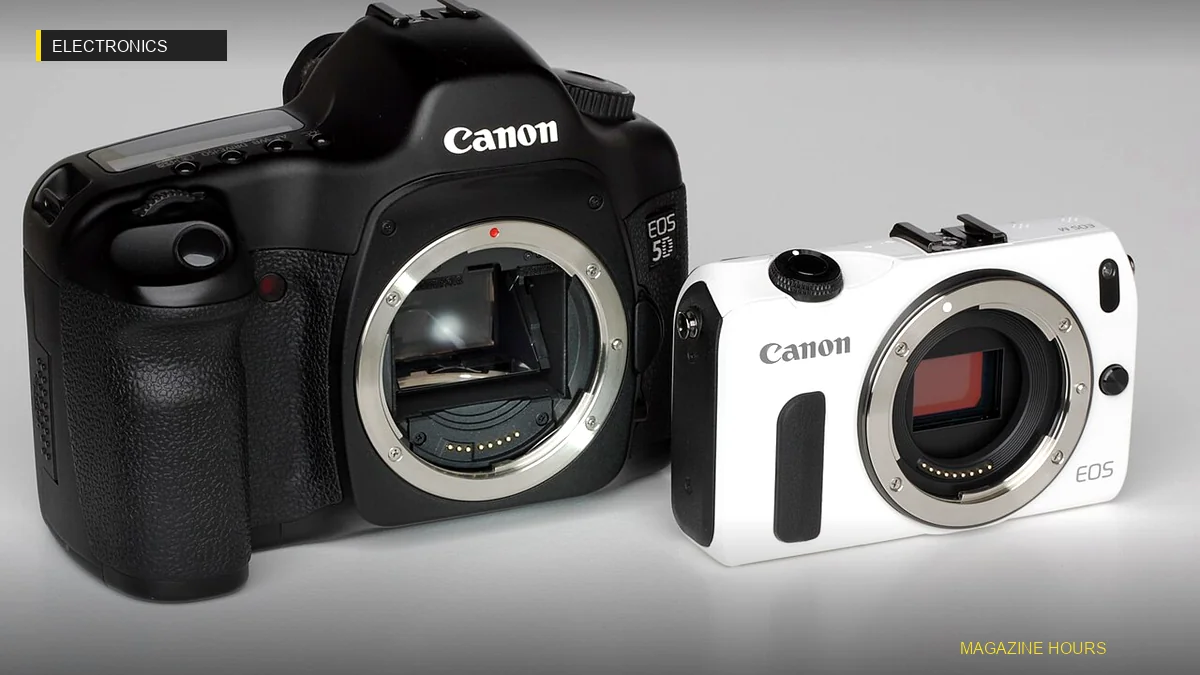
This raises an existential question for creative travelers and enthusiasts: Why spend $1,500 on a dedicated camera body and lens when you already carry a powerful camera in your pocket?
The Physical Limits of Optics: Sensor Size Is Destiny
Computational photography is software working overtime to compensate for physical handicaps. A full-frame camera sensor is roughly 30 times larger than the main sensor in an iPhone 15 Pro.
- Dynamic Range and Tonal Rolloff: A dedicated sensor captures 14+ stops of raw dynamic range, holding subtle highlight detail in clouds while preserving rich shadow textures without artificial HDR smearing.
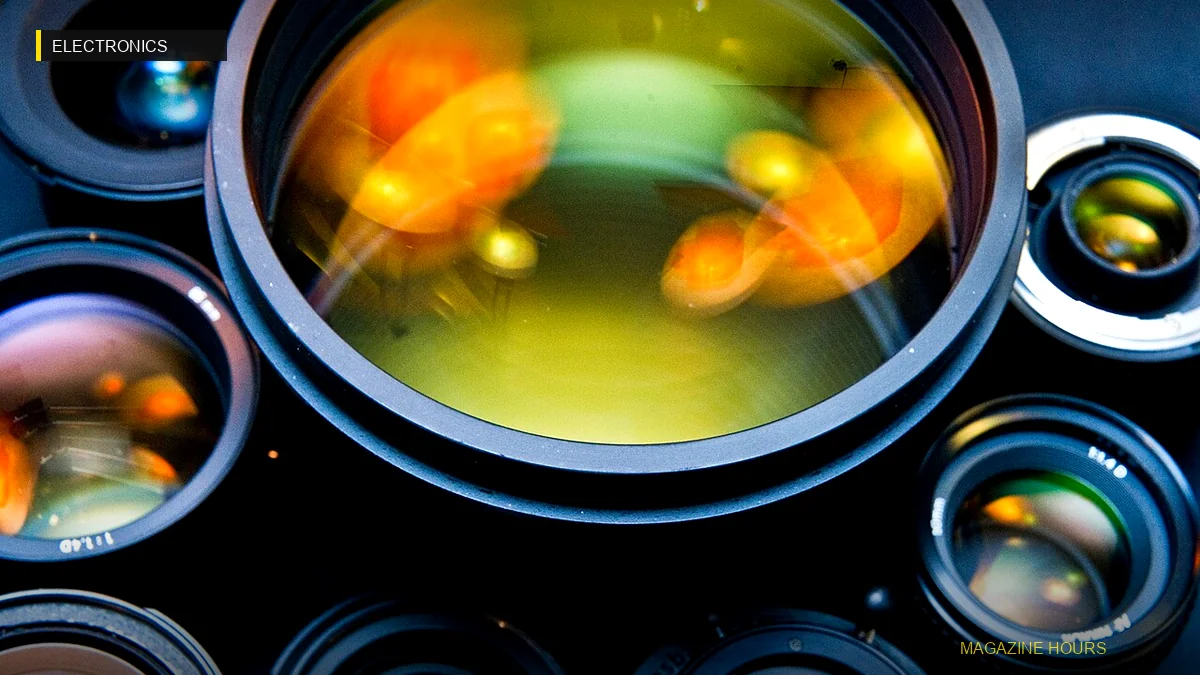
- True Optical Depth: A fast 50mm f/1.4 lens creates natural optical subject separation and creamy, gradual focus falloff that no neural edge-detection algorithm can duplicate without telltale artifacts.
- Ergonomics and Intentionality: Snapping 400 photos on a smartphone is frictionless and disposable. Holding a camera with tactile shutter dials, looking through an electronic viewfinder, and framing with purpose fundamentally changes how you observe the world.
The Verdict: When to Pack the Big Glass
Use your smartphone for documentary moments, receipt scanning, and quick social updates. But for once-in-a-lifetime journeys, family portraits that will hang on a living room wall for 30 years, and the pure meditative craft of photographic art, a dedicated mirrorless camera remains irreplaceable.

Key Takeaways and Summary
To put these insights into immediate, practical action:
- Prioritize intentionality: High-value results come from focused execution rather than frantic overexertion.
- Audit your environment: The tools, systems, and routines you tolerate determine your daily cognitive quality.
- Iterate continuously: Treat your habits as ongoing experiments that compound over months and years.