The Post-Price-Hike Reality of Japan Rail Travel
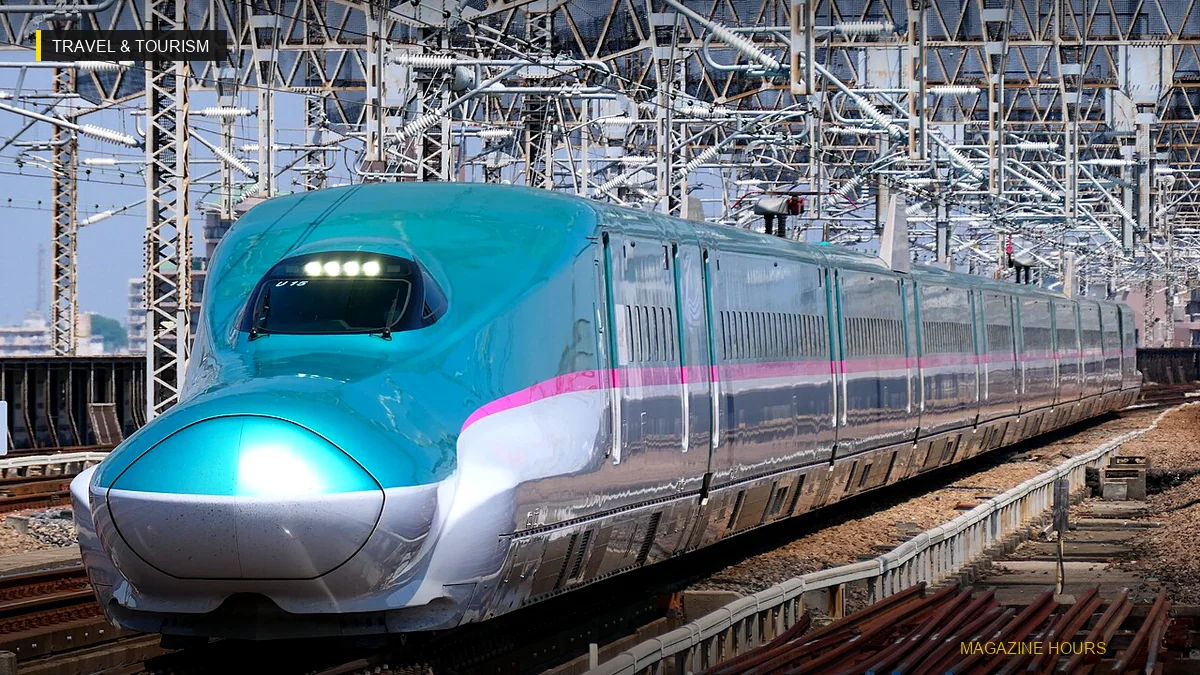
For decades, the 7-day or 14-day nationwide Japan Rail (JR) Pass was an undisputed rite of passage for visitors. You handed over a modest voucher and received unlimited access to the world’s most punctual, pristine high-speed rail network. But in October 2023, the JR Group implemented a staggering 65% to 70% price hike across all nationwide passes, fundamentally shattering the standard tourist math.
Today, a 7-day Ordinary JR Pass costs roughly ¥50,000 (~$330 USD). A standard round-trip ticket between Tokyo and Kyoto on the Shinkansen costs approximately ¥28,000. Unless you plan on riding the rails from Tokyo to Hiroshima, Kanazawa, and Sendai in a frantic seven-day sprint, buying individual point-to-point tickets will save you hundreds of dollars.
Regional Passes: The Savvy Traveler’s Secret Weapon
While the nationwide pass became prohibitively expensive, JR’s regional subsidiaries maintained several extraordinary regional passes that deliver massive value.
- JR Kansai-Hiroshima Area Pass: For roughly ¥17,000, this 5-day pass covers Osaka, Kyoto, Nara, Kobe, Himeji, and Hiroshima, including the Sanyo Shinkansen (even the blazing-fast Nozomi and Hello Kitty Shinkansen!).
- JR East-South Hokkaido Rail Pass: Ideal for travelers seeking northern adventures from Tokyo through Sendai and Aomori into Hakodate.
- Hokuriku Arch Pass: Connects Tokyo and Osaka via the scenic northern coast through Nagano and the historic gold-leaf city of Kanazawa.
Mastering the Shinkansen Boarding Ritual
Boarding a Japanese bullet train is a lesson in synchronized precision. Trains stop at the platform with millimeter accuracy, aligning door markers with painted floor queues.
Before boarding, visit the station’s basement food hall (Depachika) or a platform kiosk to pick up an Ekiben (railway bento box) and cold green tea. Eating and drinking at your seat on the Shinkansen is not merely allowed; it is a celebrated culinary tradition. However, remember to keep your voice quiet, silence your smartphone, and clear all personal garbage into the platform recycling receptacles upon arrival.
Key Takeaways and Summary
To put these insights into immediate, practical action:
- Prioritize intentionality: High-value results come from focused execution rather than frantic overexertion.
- Audit your environment: The tools, systems, and routines you tolerate determine your daily cognitive quality.
- Iterate continuously: Treat your habits as ongoing experiments that compound over months and years.