The Physical Reality of Esports Athletics
Competitive gaming is no longer viewed as slumping lazily in a beanbag chair. At high competitive levels in Counter-Strike 2, Valorant, or Apex Legends, players execute hundreds of precise physical actions per minute (APM), demanding pinpoint hand-eye coordination, rapid micro-flicks, and hours of sustained posture.
Without proper ergonomic hygiene, repetitive strain injuries (RSI), tendonitis, and nerve compression can end a gaming career—or make everyday keyboard work agonizing by your late 20s.
The Physical Geometry of the Battle Station
- Desk and Elbow Alignment: Your desk height should allow your forearms to rest parallel to the floor with your shoulders completely relaxed. If your elbows are winged outward or hunched upward, your desk is too high.
- Monitor Eye Line: The top third of your monitor screen should align directly with your eye level when sitting upright. Looking downward strains the cervical spine; looking upward dries out your corneas.
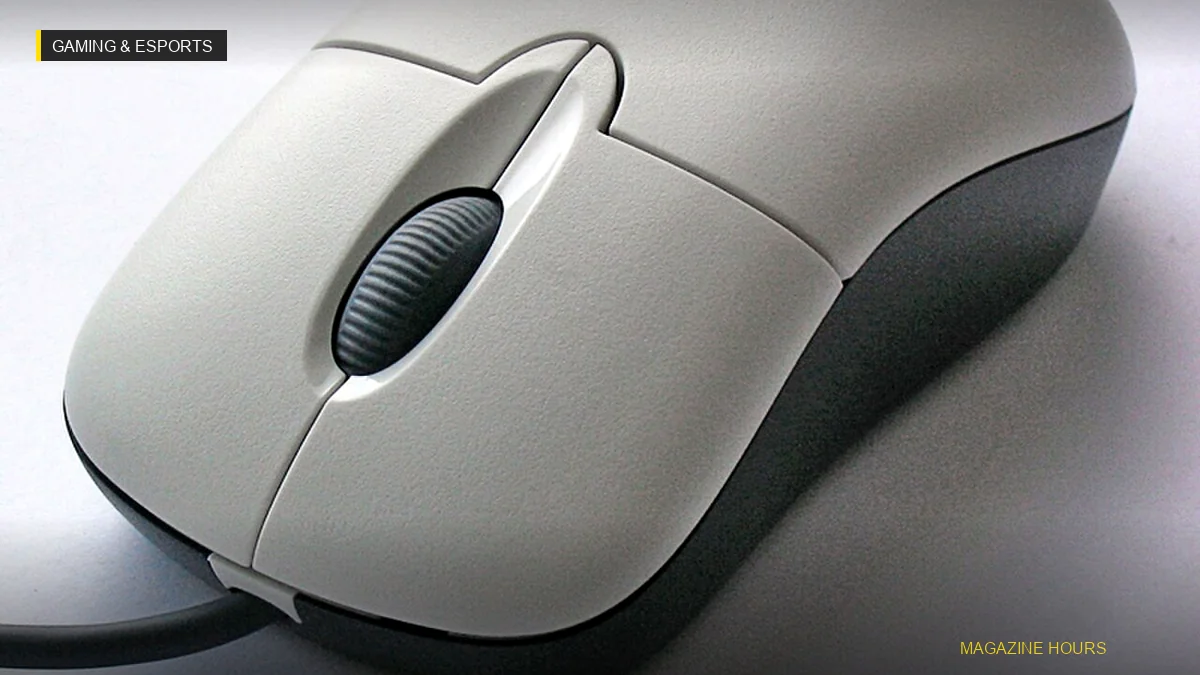
- The Huge Mousepad: Invest in a 900x400mm desk mat. A large surface area is mandatory to enable low-sensitivity arm aiming without running off the edge of the pad during a critical flick.
The 20-20-20 Rule and Tendon Stretching
Every 20 minutes of intense play, look at an object 20 feet away for 20 seconds to relax your ciliary eye muscles. Between matches, perform basic extensor stretches: extend your arm with your palm facing forward and gently pull your fingers backward toward your wrist. Protecting your tendons ensures you will still be gaming comfortably thirty years from now.
Key Takeaways and Summary
To put these insights into immediate, practical action:
- Prioritize intentionality: High-value results come from focused execution rather than frantic overexertion.
- Audit your environment: The tools, systems, and routines you tolerate determine your daily cognitive quality.
- Iterate continuously: Treat your habits as ongoing experiments that compound over months and years.